 UKLakeDistrict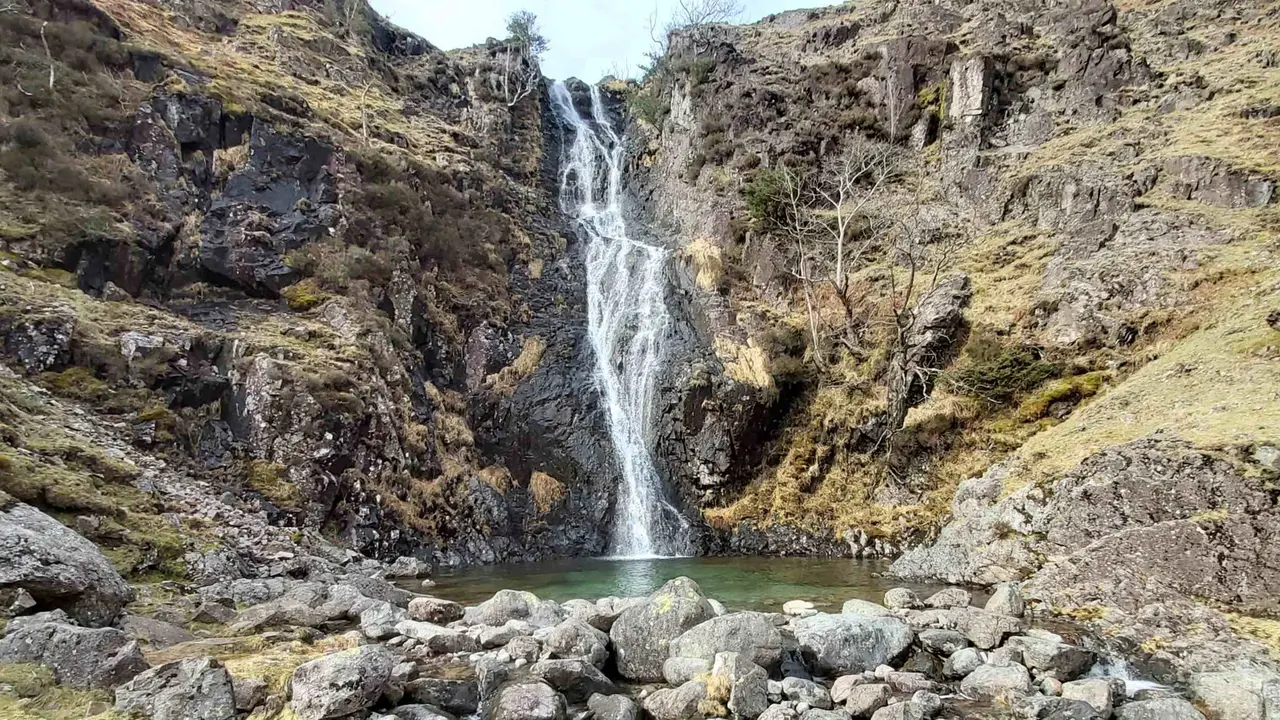
Lake District Waterfall Walks
From mighty Scale Force to hidden gorge cascades
Lake District Waterfall Walks: Best Routes, Hikes & Hidden Gems
The Lake District truly comes alive when it rains. While others head indoors, the real magic happens on the fells: hundreds of tiny becks swell into thundering white torrents that carve through ancient stone and emerald moss. There is nothing quite like the roar of a hidden cascade echoing through a quiet valley. Whether you want a gentle family stroll through woodland or a rugged hike into the high fells, these waterfall walks put you front and centre for nature's raw power.
Every route below is a full guide in its own right — with a downloadable GPX file, an interactive Ordnance Survey map, live weather, parking directions and honest notes on terrain. Use this page to compare the walks, pick one that suits your legs and the forecast, then follow the guide for the full step-by-step route. Grab your boots, pack a raincoat, and let's find your new favourite view.
Featured Lake District Waterfall Walks
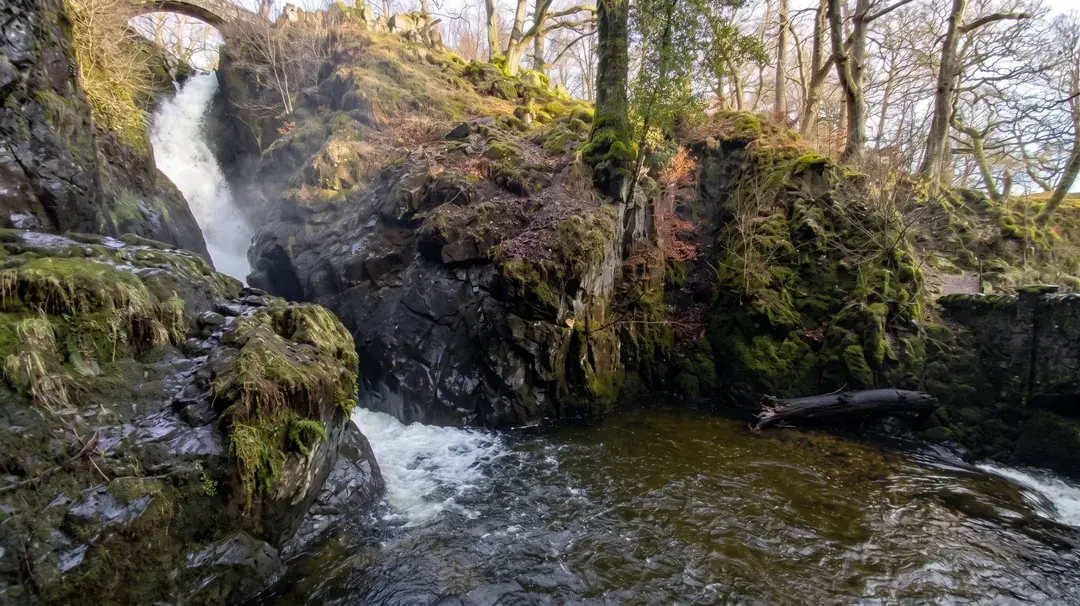
Aira Force & Gowbarrow
Discover the 65ft Aira Force waterfall and the full Gowbarrow Park circular walk, with interactive OS maps, free GPX downloads and parking info.
Read guide: Aira Force & Gowbarrow →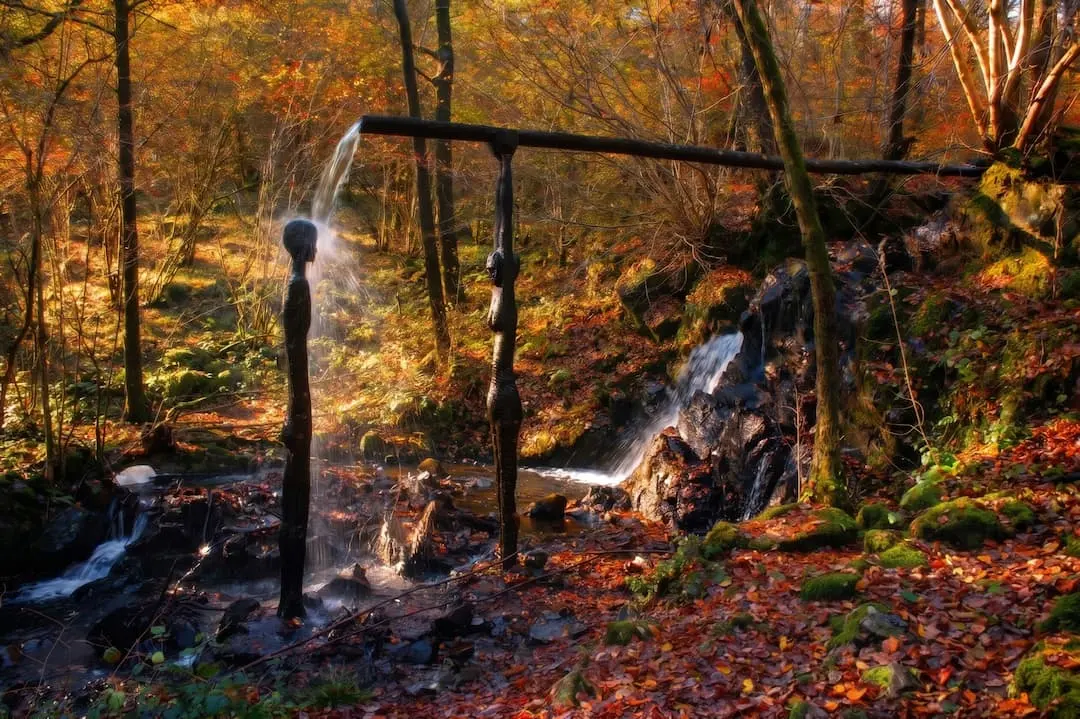
Force Falls, Grizedale
A circular walk through Grizedale Forest, its sculptures and Satterthwaite village to the hidden cascade of Force Falls. Free GPX, parking and tips.
Read guide: Force Falls, Grizedale →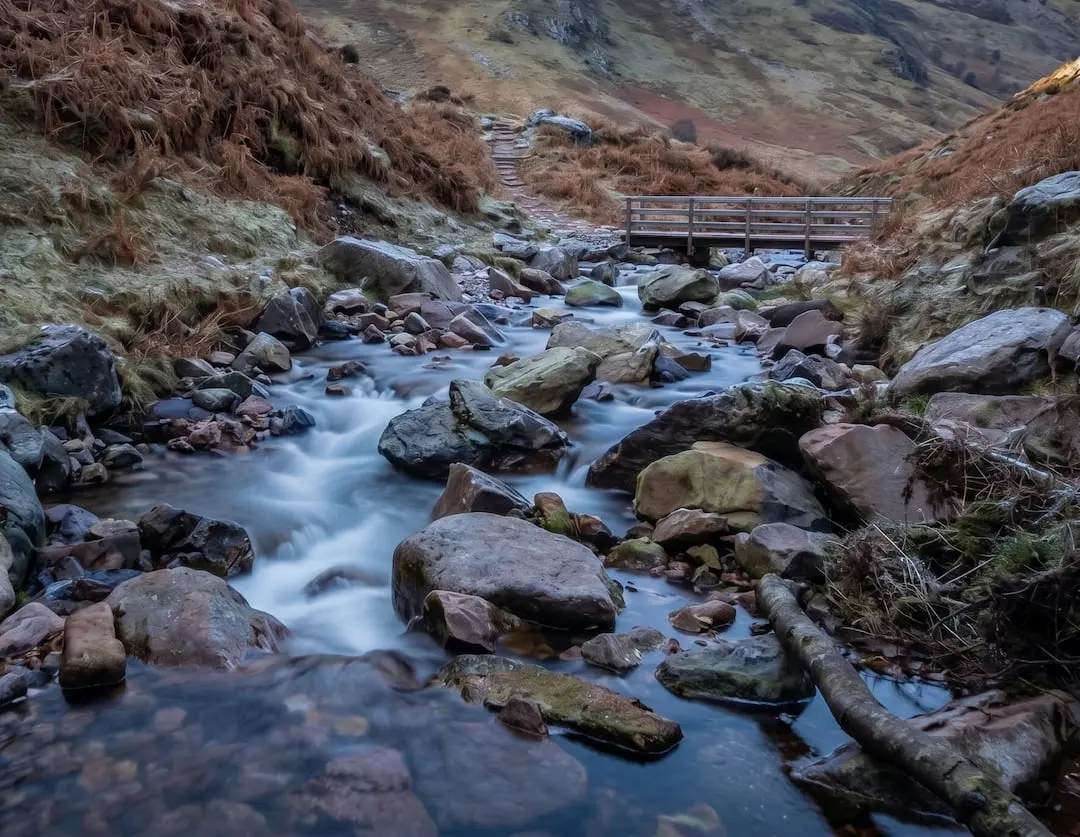
Scale Force
Walk to Scale Force, the Lake District's tallest waterfall. Our Buttermere circular guide covers the full route with free GPX download and parking info.
Read guide: Scale Force →
Stanley Ghyll Force
Walk from Dalegarth Station through a rhododendron gorge to Stanley Ghyll Force, a 60ft waterfall with a cantilevered viewing platform. Free GPX.
Read guide: Stanley Ghyll Force →
Tarn Hows & Tom Gill
A short Coniston circular via the Tom Gill waterfalls to Tarn Hows, with an OS map, free GPX download and honest parking and accessibility info.
Read guide: Tarn Hows & Tom Gill →Whorneyside Force
A quiet route from the Old Dungeon Ghyll up Oxendale to a hidden Langdale waterfall, ending at a legendary hikers' pub. Free GPX, parking and tips.
Read guide: Whorneyside Force →The Complete Guide to Lake District Waterfall Walks
The Lake District is the finest place in England for a waterfall walk. Cumbria's Viking-named cascades — the forces and ghylls — are scattered across every valley, from roadside curtains of water you can reach in ten minutes to hidden gorge falls that reward a proper half-day hike. This guide brings our detailed route guides together in one place, explains how to choose the right walk for your ability and the weather, and covers the practical things that make a day out safe and rewarding.
Because "walk" and "hike" mean the same thing here, treat them interchangeably: every route below is a self-contained guide with a free GPX download, an interactive map, parking directions and step-by-step directions to the falls.
Waterfall walks for every ability
The beauty of Lakeland's waterfalls is the range. You can pick a gentle woodland stroll or a rugged fell hike and end up at water just as spectacular. Here's how our current guides compare at a glance.
| Waterfall walk | Location | Distance | Ascent | Difficulty | Why go |
|---|---|---|---|---|---|
| Scale Force | Buttermere | 7.4 km (4.6 mi) | 159 m | Moderate | The tallest waterfall in the Lake District, on a lakeshore circular |
| Stanley Ghyll Force | Eskdale | 3.6 km (2.2 mi) | 153 m | Moderate–hard | A 60ft fall in a dramatic, subtropical-feeling gorge |
| Whorneyside Force | Great Langdale | 5.5 km (3.4 mi) | 191 m | Moderate–hard | A hidden gem in wild Oxendale, ending at a classic hikers' pub |
| Force Falls | Grizedale Forest | 6.9 km (4.3 mi) | 284 m | Moderate | A family-friendly woodland hike past forest sculptures |
| Aira Force & Gowbarrow | Ullswater | 6.8 km (4.25 mi) | 378 m | Moderate | Ullswater's best-loved waterfall, with a short trail or a full fell circuit |
| Tom Gill & Tarn Hows | Coniston | 6.35 km (3.94 mi) | 181 m | Easy–moderate | Wooded ravine falls leading to one of Cumbria's most famous views |
Easy and family-friendly waterfall walks
If you're walking with young children or want a short outing, look for falls on surfaced or well-made paths. Our Force Falls hike in Grizedale Forest is a favourite: it threads through ancient oak and larch woodland dotted with the famous Grizedale sculptures — including the much-loved wooden bathers of the Cold Shower piece — before finishing at a white-water cascade beside a 17th-century mill. The short trail from the National Trust car park to Aira Force above Ullswater is another classic easy option, with stone bridges and viewpoints right above the falls, while the Tom Gill waterfalls near Coniston lead up a shady wooded ravine to the famous view over Tarn Hows. Beyond our own guides, Skelwith Force near Elterwater and Stock Ghyll Force, a ten-minute walk from the centre of Ambleside, are both short, easy outings.
Moderate waterfall hikes
For a proper walk with a real sense of arrival, the Scale Force circular from Buttermere is one of the best days out in the western fells. The first half is pure serenity — a lakeshore ramble along Buttermere and the shingle beach where it spills into Crummock Water — before the path turns wilder and climbs to the tallest waterfall in the district, hidden in a gloomy cleft in the crags.
Rugged and hidden-gem waterfall walks
When you want to escape the honeypots, head for the gorge falls. Stanley Ghyll Force in Eskdale is short but demanding, climbing a steep, slippery ravine to a cantilevered viewing platform that juts out over the chasm for a thrilling, face-on view of the falls. Whorneyside Force in Great Langdale stays completely concealed until the last moment, tucked into the rocky amphitheatre of Hell Gill — and the walk ends right back at the Old Dungeon Ghyll's legendary Hikers' Bar.
Force, ghyll and fell: the language of Lakeland waterfalls
Half the romance of a Lake District waterfall walk is in the names. Cumbria was settled by Norse-speaking farmers over a thousand years ago, and their words still map the landscape:
- Force (from Old Norse foss) — a waterfall. Aira Force, Scale Force and Stanley Ghyll Force all carry it.
- Ghyll or gill — the narrow, steep-sided ravine or mountain stream that the water carves. A waterfall in a ravine is the classic Lakeland cascade.
- Beck — a stream. Every force is fed by a beck, and after rain those becks turn white.
- Fell — a hill or mountain. The high fells are the catchment that gathers the rain and sends it thundering down.
Knowing the vocabulary makes route descriptions far easier to follow — and helps you spot a waterfall on the map before you ever set out.
When to visit: waterfalls love the rain
The single biggest factor in a good waterfall walk is recent rainfall. A cascade that thunders in November can shrink to a trickle after a dry fortnight in July. As a rule:
- Best flow: a day or two after heavy rain, and through the wetter months of autumn, winter and early spring.
- Best paths and light: late spring and summer, when the ground is firmer and the days are long — but accept that flow may be modest in a dry spell.
- Bonus drama: hard frosts can fringe the falls with ice, and at Stanley Ghyll the late-spring rhododendron lights the gorge pink.
Every guide on this site includes a live weather widget for the specific valley, so you can check the forecast for the falls rather than the nearest town before committing to the drive.
Wild swimming at Lake District waterfalls: safety first
Many of these plunge pools are irresistible on a warm day, and wild swimming is one of the fastest-growing reasons people seek out Lakeland waterfalls. It can be wonderful — but it carries real risk, and a few rules keep it safe.
Cold water shock is the biggest danger. Even in high summer, deep Lakeland water often sits between 8 and 12°C. Entering too fast triggers involuntary gasping, a spike in heart rate and rapid loss of muscle control — the precursors to hypothermia. Always wade in slowly to let your body acclimatise, and never dive or jump blindly: plunge-pool depths change with rainfall and submerged rocks shift. The powerful downward currents at the base of a fall can also pin a swimmer under, so give the white water itself a wide berth.
Know where you can and can't swim. Swimming is legal in most natural lakes, tarns and rivers, but strictly banned in the drinking-water reservoirs — Thirlmere, Haweswater and Ennerdale Water among them. When in doubt, don't.
Clean, Check, Dry. Cumbria's waterways are under threat from invasive non-native species. Before moving between different lakes, tarns and rivers, clean your kit, check it for hitchhiking plants and creatures, and dry everything thoroughly. It protects the ecosystem you came to enjoy.
A well-fitting wetsuit, a brightly coloured tow float and water shoes for grip on slick rock make any wild swim safer, and you should never swim alone in a remote gorge.
What to bring on a waterfall walk
Waterfall walks put you on wet rock, mossy steps and boggy ground, so pack for slippery conditions even on a fine day:
- Waterproof walking boots with a grippy sole — the most important item by far
- A waterproof jacket (gorge spray and fast-changing fell weather)
- The relevant OS Explorer map and a compass, plus the OS Maps app on your phone
- Water and snacks, and a warm layer for shady, damp ravines
- A camera — a wider lens suits enclosed gorge falls
- A dog lead for steep, unfenced edges and farmland
- Downloaded offline maps for remote western valleys such as Wasdale and Eskdale, where there is often no mobile signal
More Lake District waterfalls to explore
Our route guides are growing. Beyond the six detailed walks above, the district is full of famous falls worth seeking out — Stock Ghyll Force in Ambleside; Dungeon Ghyll Force in Great Langdale; Colwith Force and Skelwith Force on the River Brathay near Elterwater; Sour Milk Gill above Grasmere, tumbling below the path to Easedale Tarn; and the emerald pools of Tongue Pot high in upper Eskdale. We're steadily adding full route guides, GPX files and maps for these — bookmark this page and check back, or follow the guides above to plan your next cascade hunt.
Whichever you choose, treat the falls with respect, tread lightly, and let the roar of the water do the rest.
Frequently Asked Questions
What is the best waterfall walk in the Lake District?
There is no single "best" — it depends on the walk you want. For sheer scale, the Scale Force walk at Buttermere reaches the tallest waterfall in the Lake District, a 52-metre (170ft) plunge. For drama, Stanley Ghyll Force in Eskdale hides a 60ft fall in a subtropical-looking gorge. For a quiet hidden gem, try Whorneyside Force in Great Langdale, and for an easy family-friendly woodland hike, Force Falls in Grizedale Forest is hard to beat.
Where is the tallest waterfall in the Lake District?
The tallest waterfall in the Lake District is Scale Force, near Buttermere, which drops around 52 metres (170 feet) — with a single main leap of about 38 metres — through a dark, fern-hung ravine on the flank of Red Pike. Our Scale Force circular walk reaches it on a moderate 7.4 km (4.6 mile) route along the shores of Buttermere and Crummock Water.
Are there easy waterfall walks in the Lake District for families?
Yes. Many Lakeland waterfalls sit on short, well-made paths that suit children and first-time fell walkers. On this site, the Force Falls hike in Grizedale Forest combines a cascade with a woodland sculpture trail, red kites and red squirrels, while the Aira Force walk above Ullswater offers a short, well-made waterfall trail with a National Trust car park close to the falls (and a longer fell circuit if you want one). Always keep children well back from wet rock and unfenced edges.
When are Lake District waterfalls at their best?
Waterfalls are most spectacular a day or two after heavy rain, when the becks are in full spate. That makes autumn, winter and early spring the most reliable seasons for big flow, while a long dry summer spell can reduce even famous falls to a trickle. Check a recent forecast before making a special trip, and remember that the same rain that fuels the falls makes gorge paths slippery — sturdy boots with good grip are essential.
Can you wild swim at Lake District waterfalls?
Wild swimming is legal in most natural lakes, tarns and rivers across the Lake District, and several waterfalls have plunge pools popular with swimmers. However, swimming is banned in the drinking-water reservoirs — including Thirlmere, Haweswater and Ennerdale Water. Cold water shock is a genuine danger even in summer (many pools sit at 8–12°C), so enter slowly to acclimatise, never jump blindly into a plunge pool, and follow the Clean, Check, Dry biosecurity routine to avoid spreading invasive species between waters.
What is the difference between a 'force' and a 'ghyll'?
Both words come from Old Norse, left behind by Cumbria's Viking settlers. A force (from foss) is a waterfall — which is why so many Lakeland falls are named Aira Force, Scale Force or Stanley Ghyll Force. A ghyll or gill is the narrow, steep-sided ravine or mountain stream that the water tumbles through. So a "ghyll force" is simply a waterfall in a ravine — exactly the setting that makes these walks so atmospheric.
Are Lake District waterfall walks dog friendly?
Most are, but many pass steep, unfenced gorge edges and open farmland with livestock, so dogs should be kept on a lead near the falls and through fields. Each of our route guides notes whether the walk is dog friendly and where extra care is needed. Take water for your dog, and be aware that fast-flowing plunge pools and slippery rock are as hazardous for pets as for people.
Do I need proper walking boots for a waterfall hike?
For anything beyond a surfaced National Trust path, yes. Waterfall walks lead you onto wet rock, mossy steps and boggy ground, and the spray keeps the final approach permanently slick. Waterproof boots with a good grippy sole are the single most important item, followed by a waterproof jacket and an OS map or the OS Maps app. Our what-to-bring checklist below covers the rest.