 UKLakeDistrict
Wainwright Walks
Routes, maps and GPX for Alfred Wainwright's 214 Lakeland fells
The Wainwrights: A Journey Across the Lake District Fells
To walk the Wainwrights is to truly know the Lake District. Following in the footsteps of Alfred Wainwright, this collection of fells takes you from the gentle, heather-clad slopes of the Loweswater Fells to the rugged, rock-strewn heights of the Scafells. It isn’t just a list of summits; it’s an invitation to explore every corner of Cumbria—the quiet valleys, the sharp ridges, and the panoramic views that have inspired hikers for generations.
Whether you are a seasoned "bagger" closing in on your final peak or a weekend wanderer looking for your first summit, each fell offers a unique character and a different perspective of the National Park. Use our guides to track your progress, discover the best ascent routes, and find the most rewarding vistas in England’s high country.
Explore our detailed GPX files and live weather updates to plan your next peak safely.
Featured Wainwright Walks
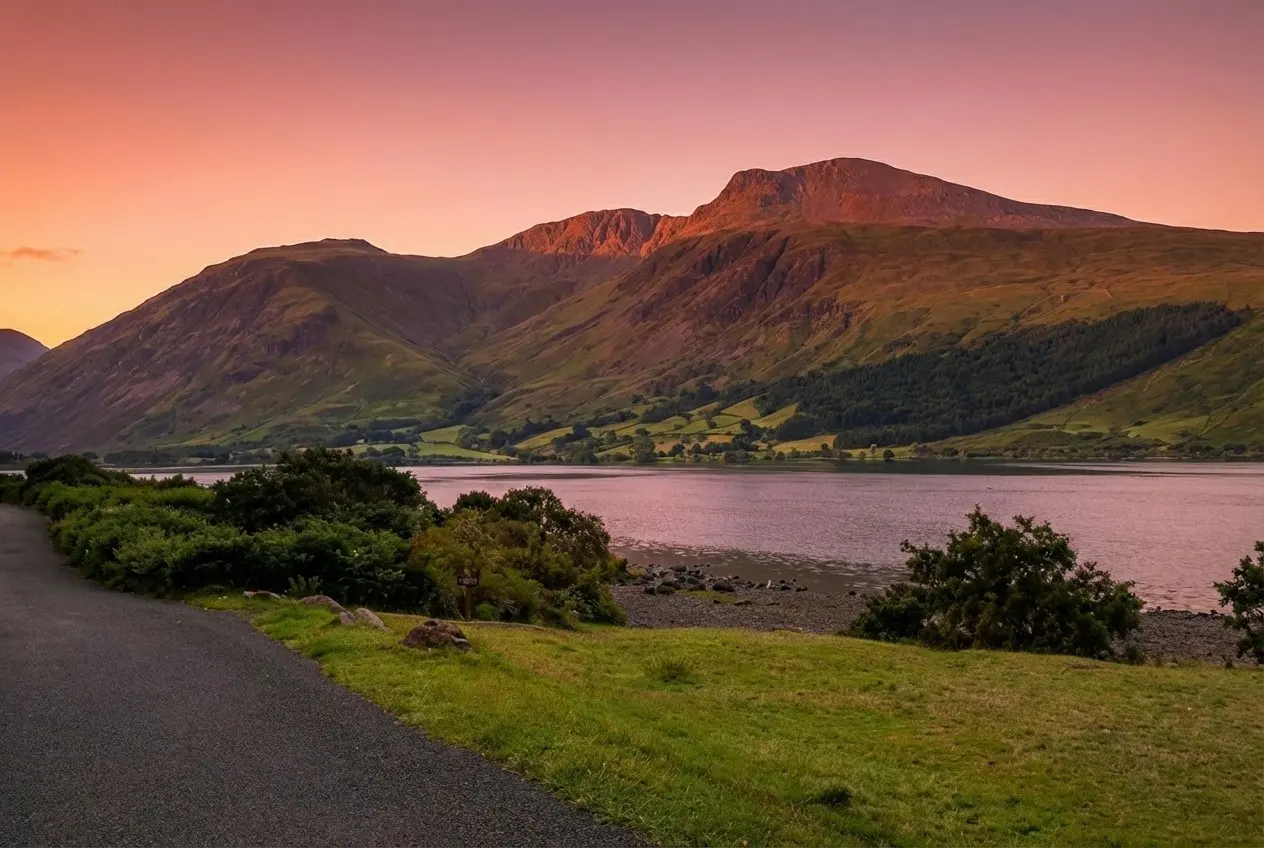
Scafell Pike from Wasdale
The shortest route to England's highest summit: our Scafell Pike walk from Wasdale Head, with free GPX, parking, the Brown Tongue climb and safety tips.
Read guide: Scafell Pike from Wasdale →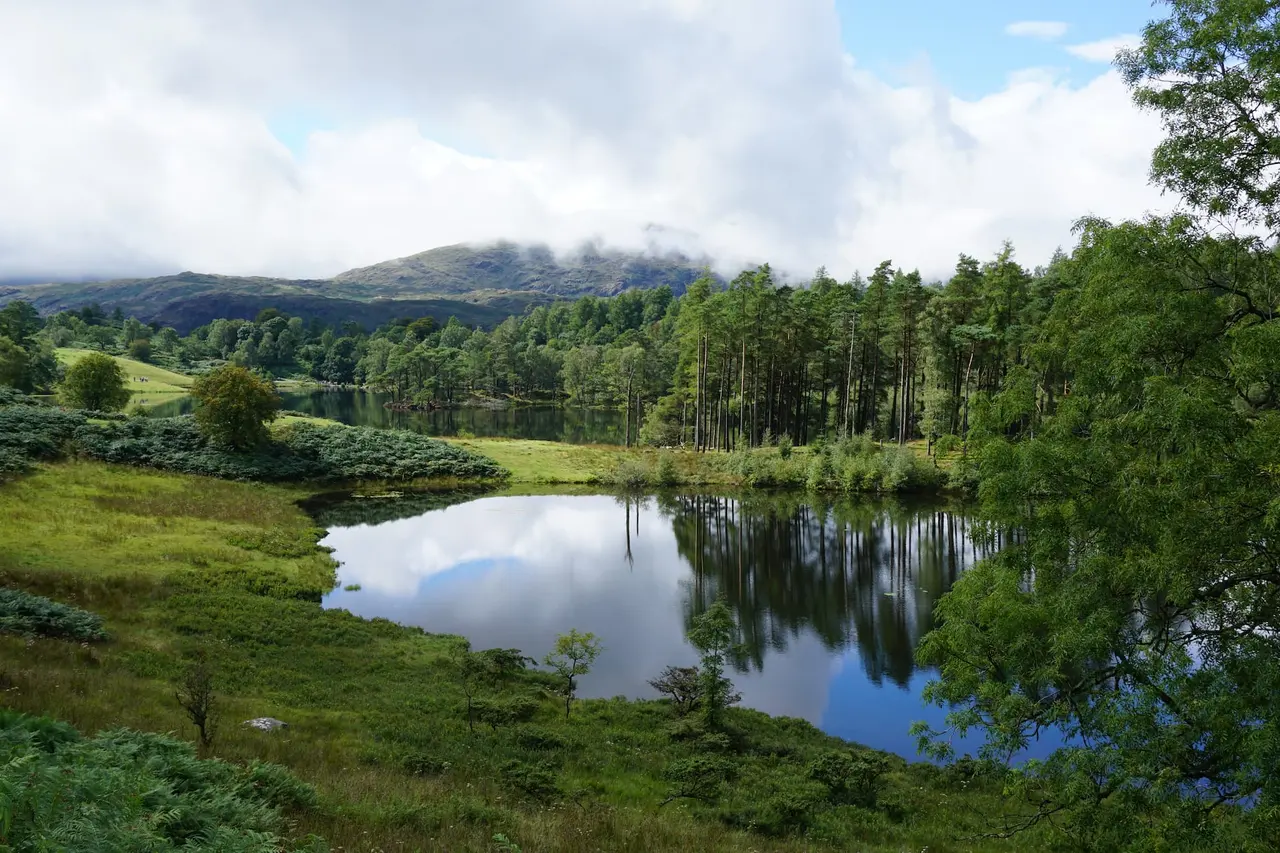
Black Crag & Tarn Hows
A circular walk linking the Tom Gill waterfalls, Tarn Hows and the Wainwright summit of Black Crag above Coniston. Free GPX, parking and timings.
Read guide: Black Crag & Tarn Hows →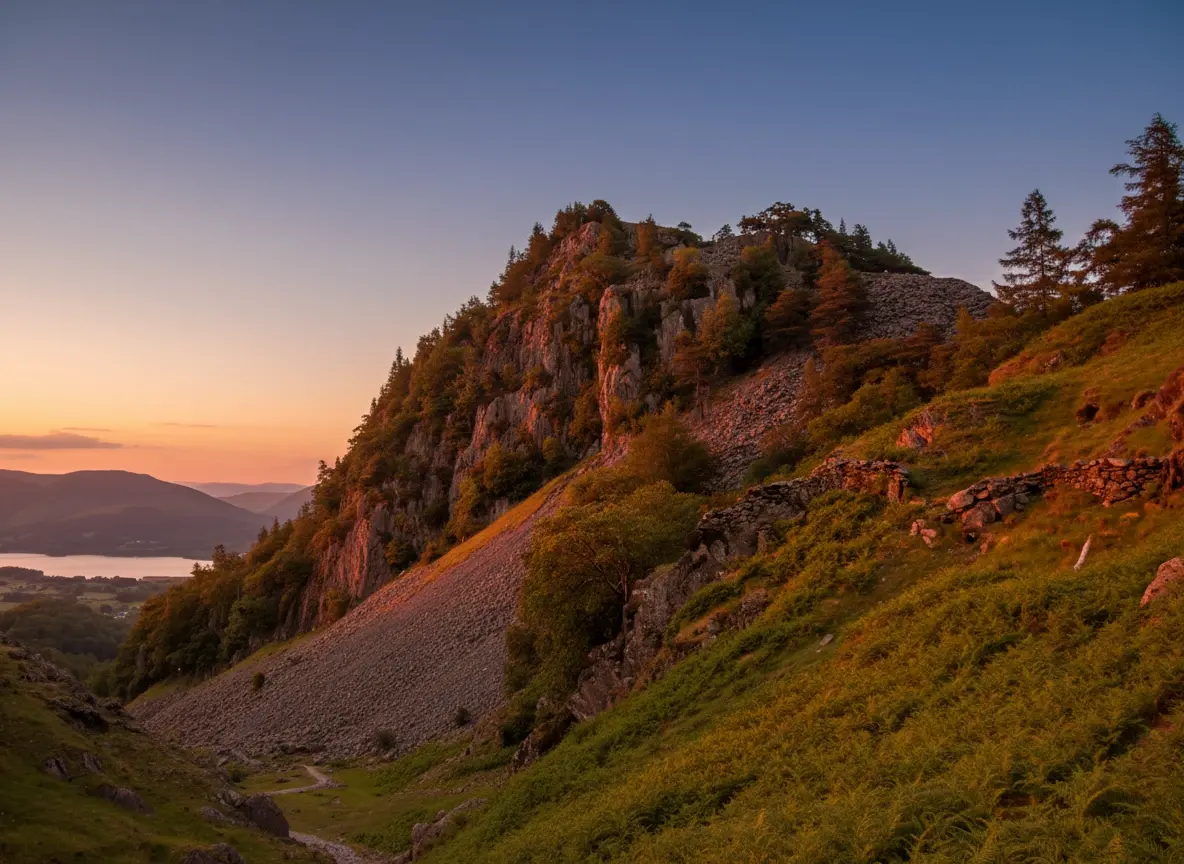
Castle Crag
A short, steep circular from Rosthwaite to Castle Crag, the smallest Wainwright, with Borrowdale views, slate quarries and a cave. Free GPX and tips.
Read guide: Castle Crag →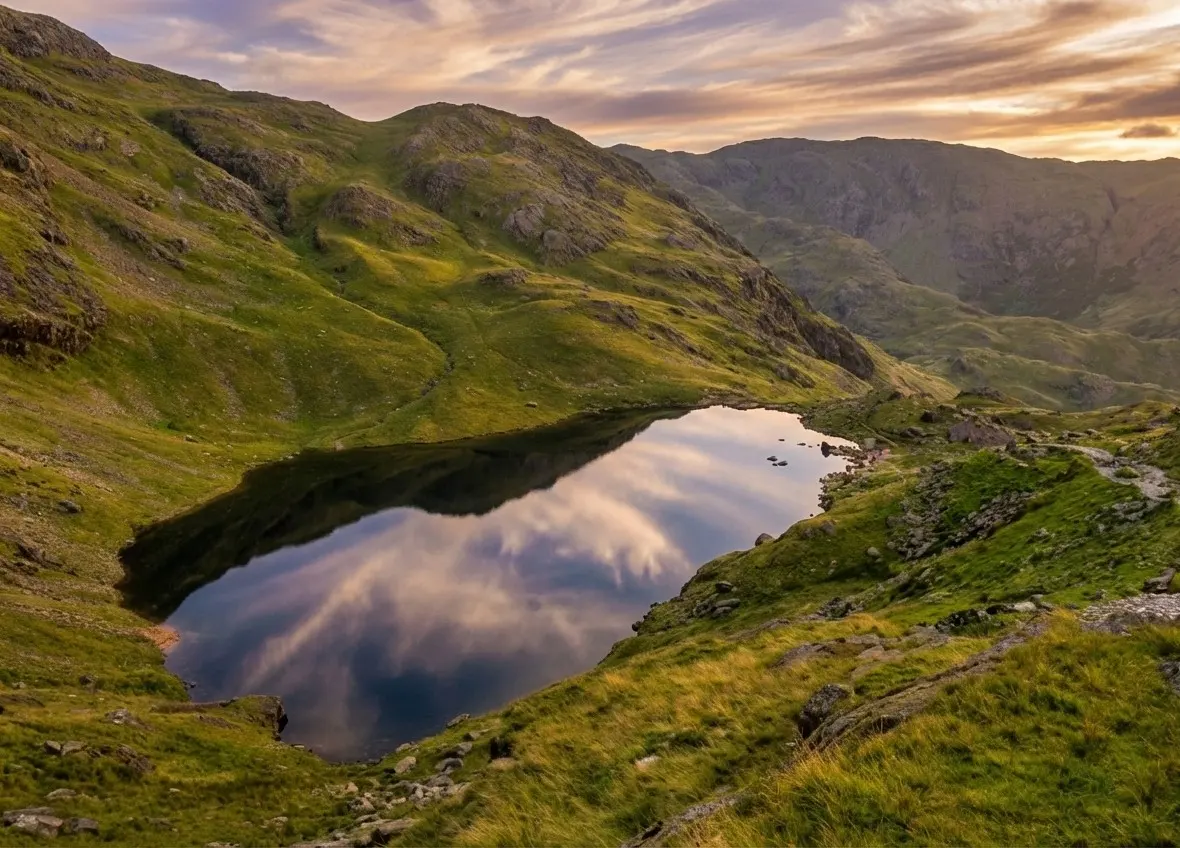
Old Man of Coniston
Old Man of Coniston circular walk: 8.1 km and 3.5–5 hours via Low Water and Goat's Water, with route map, free GPX, car park, difficulty and summit facts.
Read guide: Old Man of Coniston →The Complete Guide to Walking the Wainwright Fells
The Wainwrights are the beating heart of Lake District walking. Named after Alfred Wainwright (1907–1991), the Blackburn borough treasurer whose hand-drawn Pictorial Guide to the Lakeland Fells became one of the best-loved works in all of British literature, they are the 214 fells he judged worthy of a walker's boots. To walk them is to explore every fold and corner of England's most beautiful National Park — and this guide brings our detailed route guides together in one place, explains how the list works, and helps you choose the right fell for your ability and the weather.
Whether you're planning your very first summit or closing in on your 214th, every route on this page is a self-contained guide with a free GPX download, an interactive Ordnance Survey map, live weather for the fell, honest notes on terrain, and step-by-step directions. Because "walk" and "hike" mean the same thing here, treat them interchangeably.
What are the Wainwrights?
Between 1955 and 1966, Alfred Wainwright produced seven meticulous volumes covering 214 Lakeland fells, each page hand-written and hand-illustrated in his unmistakable style. He never intended to found a craze — but in cataloguing every summit, ridge and ascent route, he created the definitive checklist of Lake District hills. Decades on, "the Wainwrights" remains the most popular hill-list in England, and completing all 214 is a celebrated rite of passage for walkers the world over.
What makes the list so rewarding is its range. It includes the roof of England at Scafell Pike (978m) and the humble rocky knoll of Castle Crag (290m) in equal measure. It sends you up sharp, exciting ridges and across quiet, heathery backwaters that you'd otherwise never think to visit. Following Wainwright is, in effect, a guided tour of the entire National Park — the honeypots and the hidden gems alike.
The seven fell groups
Wainwright divided his 214 fells into seven regional books, and those groupings still shape how walkers plan today:
- The Eastern Fells — the high Helvellyn range above Ullswater and Thirlmere.
- The Far Eastern Fells — the quieter High Street country around Haweswater and Kentmere.
- The Central Fells — the rocky spine from Loughrigg to High Raise, including the Langdale Pikes.
- The Southern Fells — the giants of the south: the Scafells, Bowfell, Crinkle Crags, the Coniston fells and gentle tops like Black Crag.
- The North Western Fells — the shapely hills between Borrowdale and Buttermere, including Castle Crag and Catbells.
- The Western Fells — the wild, remote country around Wasdale, Ennerdale and Pillar.
- The Northern Fells — the great rounded whalebacks of Skiddaw and Blencathra.
Tackling one group at a time is the smart way to plan: neighbouring summits link into satisfying multi-fell days, and you get to know each valley and its parking, pubs and paths in turn.
Featured Wainwright walks
Our route guides span the full spectrum, from a gentle family first-summit to England's highest and most serious mountain day. Here's how the current guides compare at a glance.
| Wainwright walk | Group | Height | Distance | Ascent | Difficulty |
|---|---|---|---|---|---|
| Castle Crag | North Western | 290 m | 5.8 km (3.6 mi) | 254 m | Moderate |
| Black Crag | Southern | 323 m | 6.5 km (4.0 mi) | 217 m | Easy–moderate |
| Old Man of Coniston | Southern | 803 m | 8.1 km (5.0 mi) | 602 m | Moderate–difficult |
| Scafell Pike | Southern | 978 m | 7.9 km (4.9 mi) | 907 m | Challenging |
Each guide includes the full route description, a downloadable GPX file, an interactive map, live weather and detailed parking and safety notes — everything you need to plan the day with confidence.
Best Wainwrights for beginners
You don't have to start big. The perfect first Wainwright is a low fell with a short, well-made path and a view out of all proportion to the effort. Our Black Crag walk above Tarn Hows is ideal: a gentle circular past waterfalls to a 323-metre summit with a panorama over Windermere and Coniston Water. Equally rewarding is the Castle Crag walk in Borrowdale — the smallest Wainwright of all, yet with one of the finest views down Derwentwater.
Beyond our guides, classic beginner fells include Catbells on Derwentwater, Loughrigg Fell near Ambleside, Latrigg above Keswick and Loweswater's gentle tops. Build up your fitness and confidence on these before progressing to bigger days on the Old Man of Coniston or the serious mountain challenge of Scafell Pike.
If it's an easy, spectacular day out you're after — with no summit required — our family-friendly Rydal Caves walk and the Lake District waterfall walks collection are the perfect complement to your fell-walking.
Wainwright bagging: completing the 214
Wainwright bagging — climbing all 214 fells and ticking each off as you go — has become a beloved long-term challenge. There's no time limit and no rules beyond reaching each summit under your own steam, which is precisely its appeal: you can take a lifetime or a few intense years. Many walkers keep a log, and on completing the round can register with the Wainwright Society, joining thousands who have followed AW's footsteps across every corner of Lakeland.
The joy of bagging is that it takes you to fells you'd otherwise never climb — the quiet, unfashionable tops that turn out to offer the best solitude and the biggest surprises. It transforms a collection of day-walks into a personal journey across the whole National Park, and there's no wrong way to do it: fast or slow, in order or at random, solo or with friends.
Safety and preparation on the fells
The Wainwrights range from gentle strolls to serious mountains, and the higher fells demand respect. Mountain weather changes quickly and dramatically: it can be warm and calm in the valley and cold, wet and clouded on the tops within the hour. Always check the mountain forecast (the Lake District Weather Line and Met Office mountain forecasts are invaluable), carry warm and waterproof layers, plenty of food and water, and a fully charged phone — but never rely on the phone for navigation, as signal is patchy across much of the district.
Crucially, carry a paper OS map and a compass and know how to use them. Our GPX files and interactive maps are a superb planning aid, but batteries fail and screens crack. Tell someone your route and expected return time, wear proper footwear, and turn back if conditions deteriorate — the fell will still be there another day. In an emergency, call 999 and ask for the Police, then Mountain Rescue.
Best time of year to walk the Wainwrights
The fells are walkable year-round, but each season offers something different. Late spring and summer bring the longest days, firmest ground and safest conditions for the high tops — ideal for the big mountains. Autumn is arguably the most beautiful season, with golden bracken, low light and quieter paths. Winter transforms the high fells into a serious mountaineering environment: crampons, ice axe and winter skills become essential above the snow line, so inexperienced walkers should stick to the lower fells or join a guided group.
Whatever the season, an early start rewards you with the best parking, the quietest summits and a margin of daylight if the day runs long.
When you're ready for more
Every walk on this page is a stepping stone. Start low with Black Crag or Castle Crag, build towards the Old Man of Coniston, and set your sights on the roof of England at Scafell Pike. We're steadily adding full route guides, GPX files and maps for more of the 214 — so bookmark this page and check back as the collection grows.
Look out for bonus summits hidden in our other guides, too. The full circuit on our Aira Force and Gowbarrow walk crosses Gowbarrow Fell (481 m), a Wainwright in The Eastern Fells, while the Old Man of Coniston guide explains how to add neighbouring Dow Crag from Goat's Hause. For a gentler outlier with a huge view, Wainwright's Outlying Fells include Gummer's How above Windermere — the perfect first summit for young walkers.
Wherever you are on your Wainwright journey, walk safely, tread lightly, and enjoy every summit. As Alfred Wainwright himself wrote, the fells are there to be loved — and there's no finer way to know the Lake District than one summit at a time.
Frequently Asked Questions
What are the Wainwrights?
The Wainwrights are the 214 Lake District fells described by Alfred Wainwright in his seven-volume Pictorial Guide to the Lakeland Fells, published between 1955 and 1966. Hand-drawn and hand-written over 13 years, the guides catalogue every fell Wainwright considered worthy of a walker's attention, from mighty Scafell Pike to tiny Castle Crag. Today "the Wainwrights" is the most popular hill-list in England, and climbing all 214 has become a celebrated long-term challenge known as Wainwright bagging.
How many Wainwrights are there and how are they grouped?
There are 214 Wainwright fells, divided by Wainwright himself into seven regional groups, one per book: the Eastern, Far Eastern, Central, Southern, North Western, Western and Northern Fells. The groupings make planning far easier, letting you tackle neighbouring summits together and get to know one area at a time. Our guides note which group each fell belongs to, so you can build efficient days out and track your progress book by book.
What are the highest and lowest Wainwrights?
The highest Wainwright is Scafell Pike at 978 metres (3,209 ft) — also the highest mountain in England. The lowest is Castle Crag in Borrowdale, at just 290 metres (951 ft), the only Wainwright standing under 1,000 feet. Wainwright included Castle Crag not for its height but for its outstanding character and summit view — proof that a great fell isn't measured in metres alone.
How long does it take to complete all 214 Wainwrights?
There's no fixed answer — it depends entirely on your pace and free time. Most "baggers" take several years of weekends and holidays to complete the round at a relaxed, enjoyable pace, while fitter walkers with more time might finish in a year or two. At the other extreme, elite fell-runners have completed a continuous round of all 214 in under six days. For the vast majority, the Wainwrights are a rewarding long-term project to be savoured, not rushed.
Which Wainwright is best for beginners?
For a first Wainwright, choose a low fell with a short, well-made path and a big reward. Black Crag (323m) above Tarn Hows and Castle Crag (290m) in Borrowdale are ideal — modest heights, manageable climbs and superb views. Other classic beginner fells include Loughrigg Fell, Latrigg above Keswick and Catbells on Derwentwater. Build up gradually before attempting big mountain days like Scafell Pike.
Do I need special equipment or experience to walk the Wainwrights?
It depends on the fell. Low tops like Castle Crag and Black Crag suit any reasonably fit walker in good boots. The higher fells — Scafell Pike, the Old Man of Coniston and the like — demand proper hillwalking kit: sturdy boots, waterproofs, warm layers, food and water, and crucially an OS map and compass (plus the skills to use them). Mountain weather changes fast and mobile signal is unreliable, so never rely on a phone alone. Always check the forecast and tell someone your plans.
What is 'Wainwright bagging'?
Wainwright bagging is the popular pursuit of climbing all 214 fells in Wainwright's Pictorial Guides, ticking each one off as you reach its summit. Many walkers register their completed round with the Wainwright Society. It's a wonderful way to explore every corner of the Lake District — the quiet fells as well as the famous peaks — and turns a lifetime of walking into a shared, satisfying challenge. Our route guides, GPX files and maps are designed to help you bag each summit safely.
Which OS maps cover the Wainwright fells?
The Lake District is covered by the four OS Explorer maps in the OL series: OL4 (North Western area — Borrowdale, Keswick, Buttermere), OL5 (North Eastern area — Ullswater, Haweswater), OL6 (South Western area — Coniston, Langdale, Eskdale) and OL7 (South Eastern area — Windermere, Kendal, Ambleside). Each of our walk guides lists the specific sheet you need and offers a free GPX download, but a paper map and compass should always be your primary means of navigation on the high fells.