 UKLakeDistrict
Lake District walks
Quiet walks in the Lake District
Quiet Lake District walks away from the crowds: hidden waterfalls, low fells and forest trails, plus the best times to visit busy favourites in peace.
A quiet walk in the Lake District comes down to three things: where it starts, how it leaves the crowds, and when you go. The busiest walks (Tarn Hows, Aira Force, Catbells, Rydal Water) are a short drive from Windermere, Ambleside or Keswick, start from large lakeside car parks and are on almost every first-visit list, so they fill by mid-morning in summer. Walks further west or south, or ones that turn off the main path early, see a fraction of those numbers even on a sunny weekend.
Timing matters just as much. Midweek, before about 9am or after about 4pm, and November to March outside the school holidays are the calmest times anywhere in the National Park. Pick one of the walks below, go at a quiet time, and you may have the waterfall or summit to yourself.
How we chose these walks
- The start is away from the main honeypots, or the route turns off the busiest path soon after it.
- It starts from a forest or valley car park, a small free car park, or a town or station, rather than a big lakeside car park.
- It isn't on the usual "must-see" list that most first visits follow.
- There's a real reward: a waterfall, a summit or a big view, not just a quiet path.
- Graded easy or moderate and under 7 km, so you can fit it into a half day at a quiet time.
Quiet walks (6)

Gummer's How
Why it's quiet: The short climb from a free Forestry England car park means you can be up and down before the south Windermere crowds arrive.
Read guide: Gummer's How →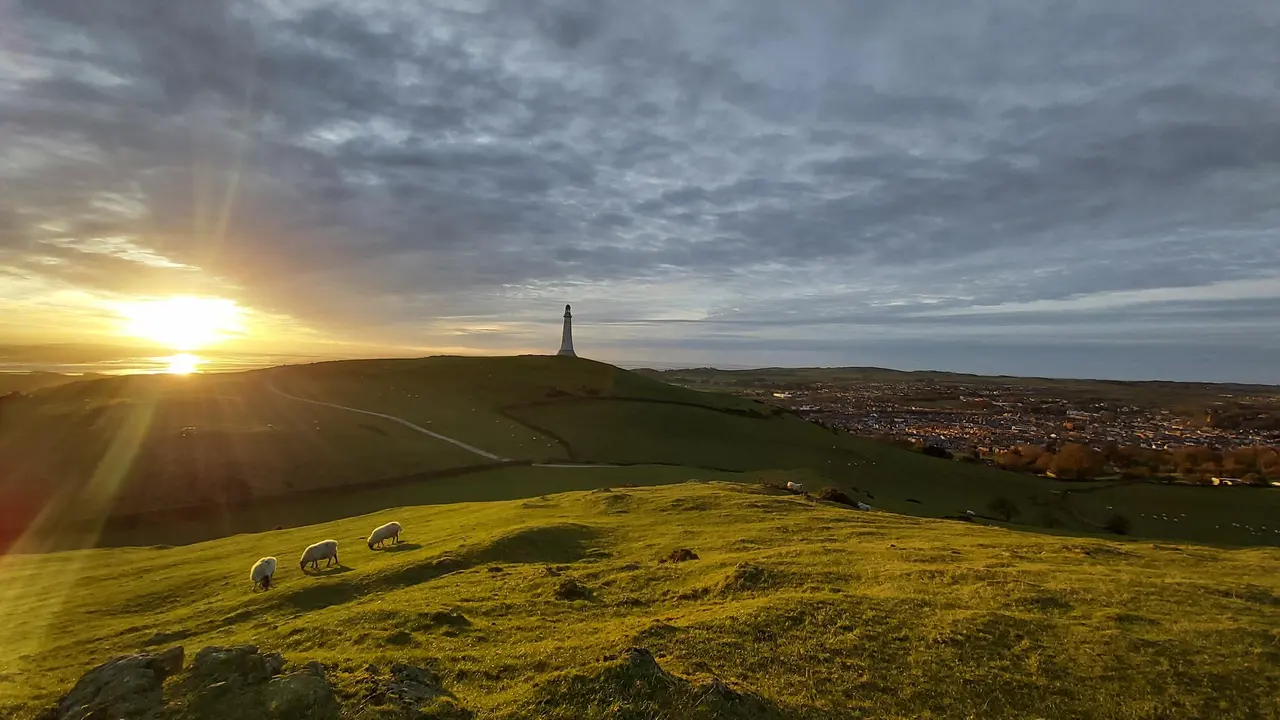
Hoad Hill
Why it's quiet: Hoad is just outside the National Park, so it misses most tourist traffic, and you can walk up from Ulverston station.
Read guide: Hoad Hill →
Stanley Ghyll Force
Why it's quiet: Eskdale is a long way from the central Lakes by road, so it never gets the Windermere crowds; you can arrive on La'al Ratty instead.
Read guide: Stanley Ghyll Force →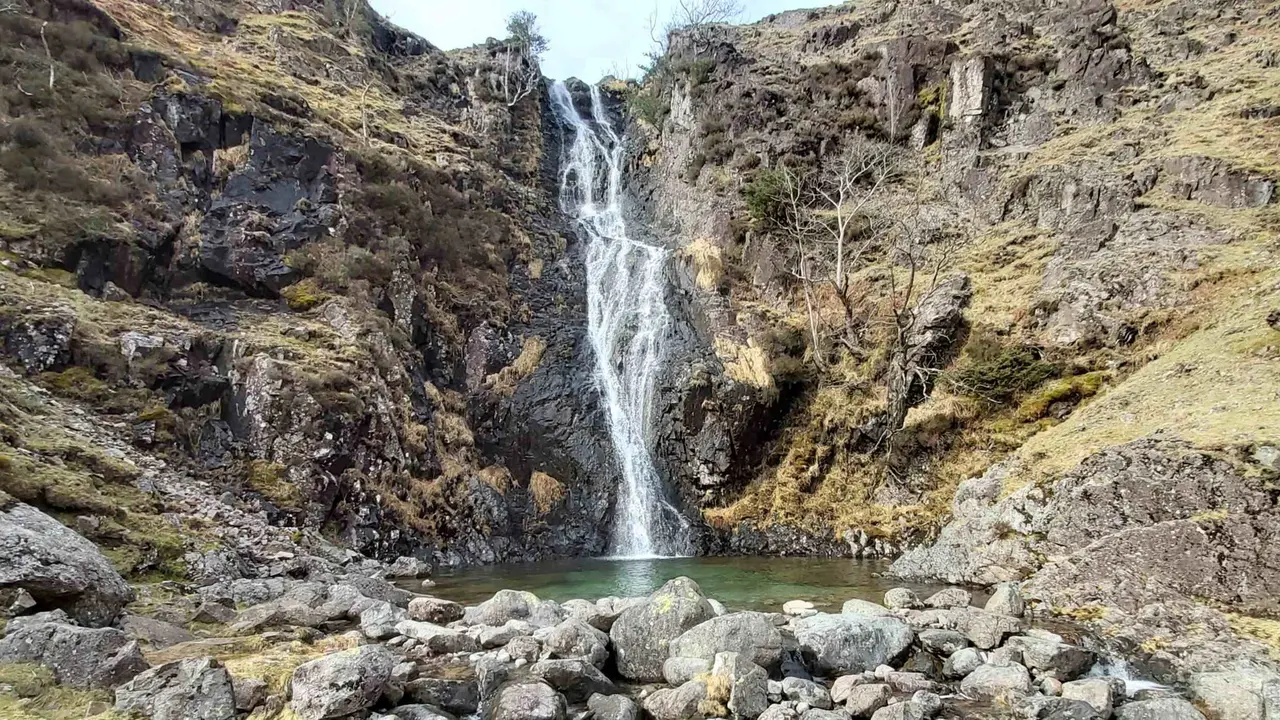
Whorneyside Force
Why it's quiet: It turns off into Oxendale while most Great Langdale walkers head up to Stickle Tarn or along Mickleden.
Read guide: Whorneyside Force →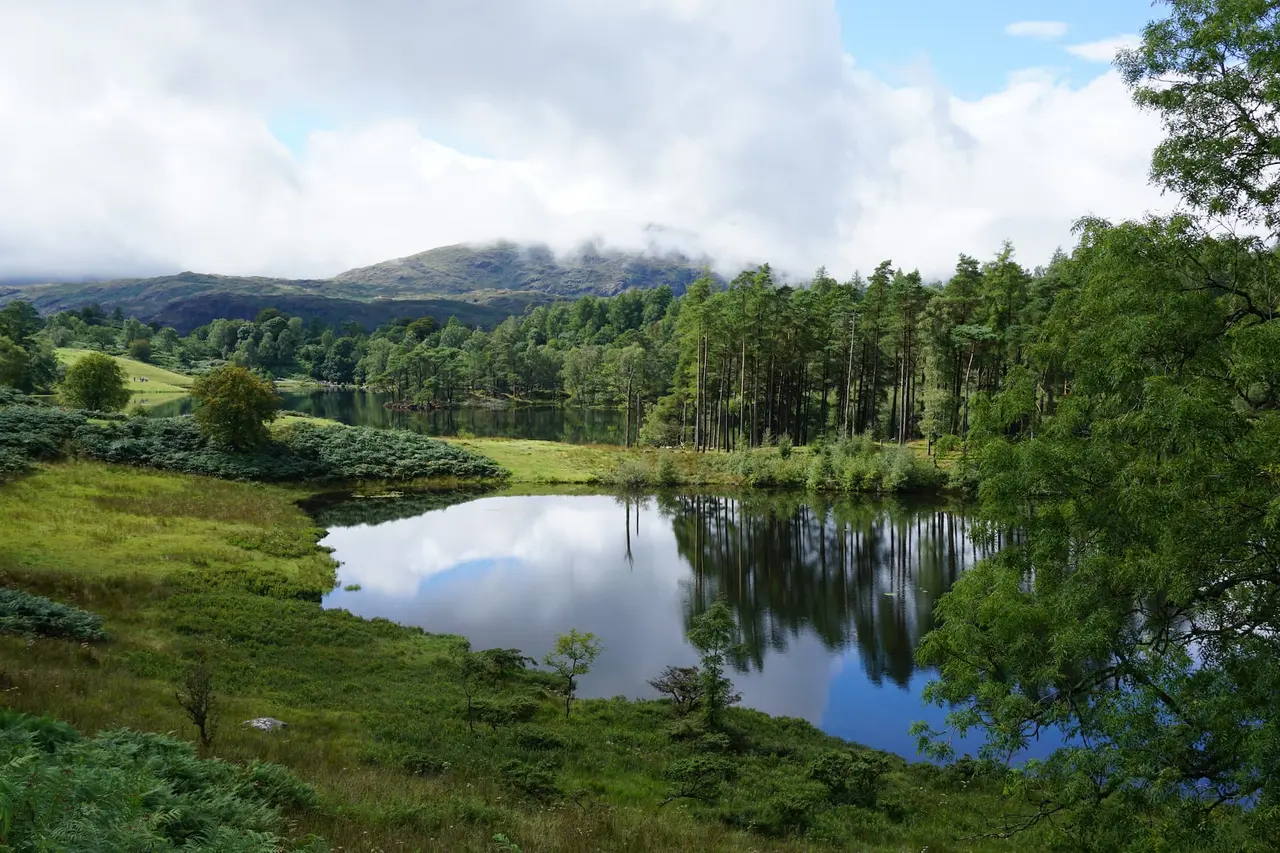
Black Crag & Tarn Hows
Why it's quiet: It shares the Tarn Hows car parks, but most visitors stay by the tarn; this route climbs through Iron Keld to a summit few of them reach.
Read guide: Black Crag & Tarn Hows →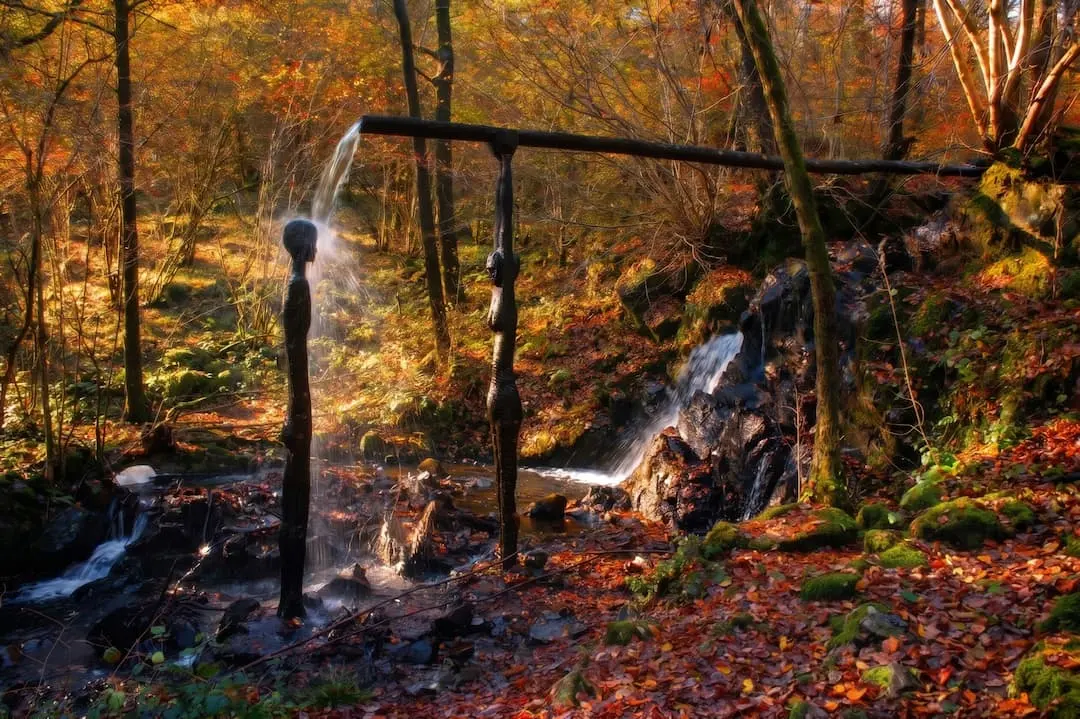
Force Falls, Grizedale
Why it's quiet: It starts from the small, free Blind Lane car park near Satterthwaite, well away from the busy Grizedale visitor centre trails.
Read guide: Force Falls, Grizedale →Short answer: for the quietest walking in the Lake District, head for the western valleys such as Eskdale, the forests and low fells of the southern Lakes, and the side valleys just beyond the famous honeypots. Then go early in the morning, midweek, or outside the school holidays. Each walk on this page leaves most of the crowds behind soon after the start.
Why these walks are quieter
Most visitors head for the same dozen places: Tarn Hows, Aira Force, Catbells, Buttermere, Rydal Water and the big summits. The trick is to start near them and slip away. At Black Crag you share the Tarn Hows car park, then climb through the regenerating woodland of Iron Keld to a summit that is almost always peaceful. In Great Langdale, Whorneyside Force turns off the main Mickleden track into Oxendale, while most walkers head for Stickle Tarn and the Langdale Pikes.
Other walks are quiet because of where they are. Stanley Ghyll Force is in Eskdale, one of the quietest and most beautiful valleys in the National Park, and you can reach it on the little Ravenglass & Eskdale Railway. Force Falls in Grizedale explores a fold of the southern Lakes well off the honeypot trail, past Satterthwaite and Rusland church, where Arthur Ransome is buried. Hoad Hill at Ulverston sits just outside the National Park, a quieter alternative to the central Lakes with views over Morecambe Bay. Gummer's How rises above the calmer southern end of Windermere; come in the morning, before its small car park fills.
When the Lake District is quietest
- Time of day: before about 9am and after about 4pm, even in summer. Early starts also make parking much easier.
- Day of the week: Tuesday to Thursday is usually calmer than weekends and Mondays or Fridays in the holidays.
- Season: November to March (outside Christmas and the February half-term) is the quietest time. Late April, early June and late September are a good balance of daylight and fewer people.
- Weather: a grey or showery forecast keeps many visitors away. Woodland and waterfall walks are at their best after rain anyway (see our rainy day walks).
Busy favourites at quiet times
You don't have to skip the famous places. Rydal Caves is quietest early or late in the day, when you have a far better chance of an empty cave. Aira Force is far calmer early, midweek or out of the school holidays. Scafell Pike is extremely busy on summer weekends during the Three Peaks season, so choose a weekday. On the Old Man of Coniston, the wilder Goat's Water side of our circular is always quieter than the main tourist path.
Quiet places usually have fewer facilities and less phone signal. Carry a map, water and a warm layer, tell someone your plans, and read our fell safety guide before a longer day. Leaving the car behind helps too: our car-free walks start from buses, trains and boats.
Frequently Asked Questions
When is the Lake District quietest?
Midweek outside the school holidays, and especially from November to March (apart from Christmas and the February half-term). On any day, the hours before about 9am and after about 4pm are much calmer, even in summer.
Which Lake District walks avoid the honeypots?
Good choices are Whorneyside Force in Oxendale, Black Crag above Tarn Hows, Stanley Ghyll Force in Eskdale and Force Falls in Grizedale. Each starts near or within reach of a popular spot, then quickly leaves the crowds behind.
Which part of the Lake District is least crowded?
The western valleys (Eskdale, Wasdale outside peak weekends, Ennerdale) and the southern fringes, such as Grizedale, the Rusland valley and the Furness peninsula around Ulverston, are generally much quieter than Windermere, Ambleside, Keswick and Grasmere.
How can I avoid parking problems at busy Lake District walks?
Arrive before about 9am or later in the afternoon, have a back-up walk in mind, and consider leaving the car behind: several of our walks start from a bus stop, railway station or lake boat. See our car-free walks and getting around without a car.
Are quiet walks safe to do alone?
Many walkers enjoy them solo, but quieter routes mean fewer people to help if something goes wrong and often no phone signal. Leave your route and return time with someone, carry a map and a charged phone, and know how to call Mountain Rescue (999, ask for Police, then Mountain Rescue). Our safety guide has the details.